
Luto/a
Les Désobéissances










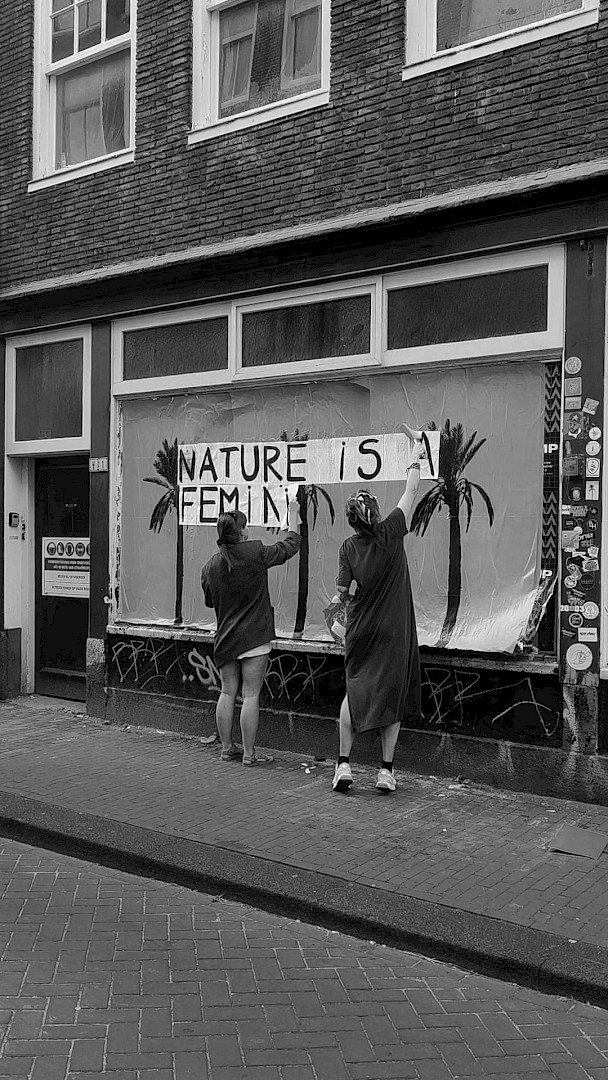
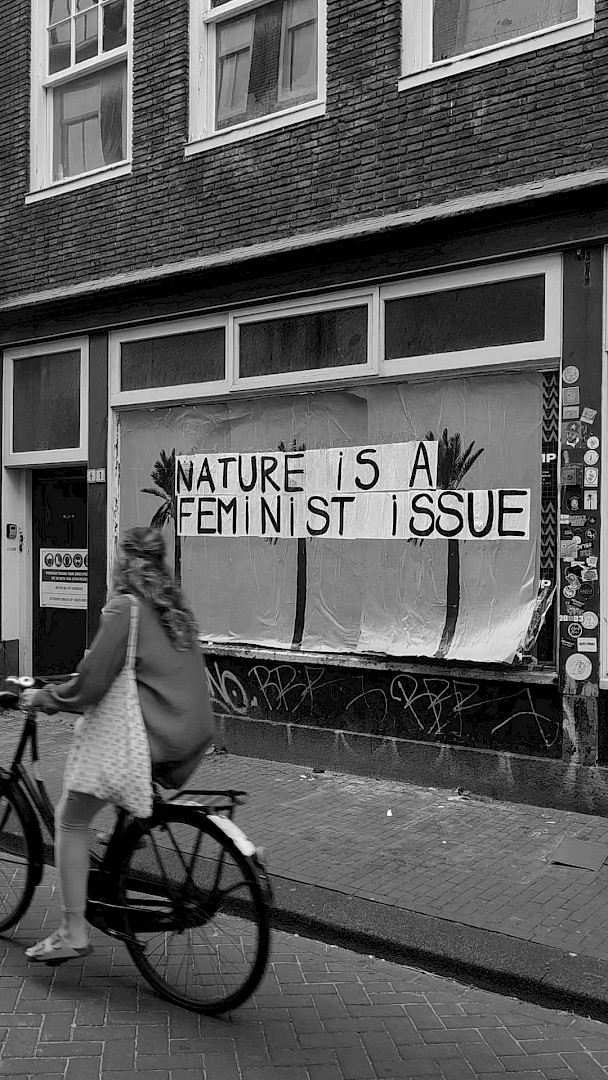
'Nature is a feminist issue', Performance
Amsterdam, Juillet 2023









Luto/a
Les Désobéissances
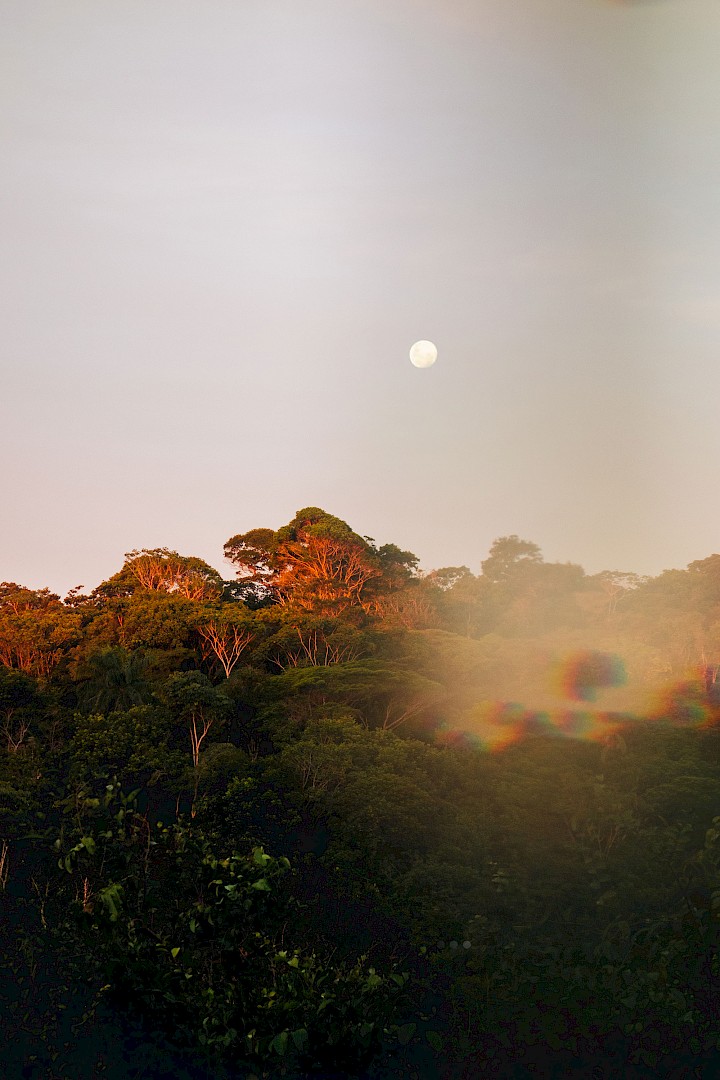
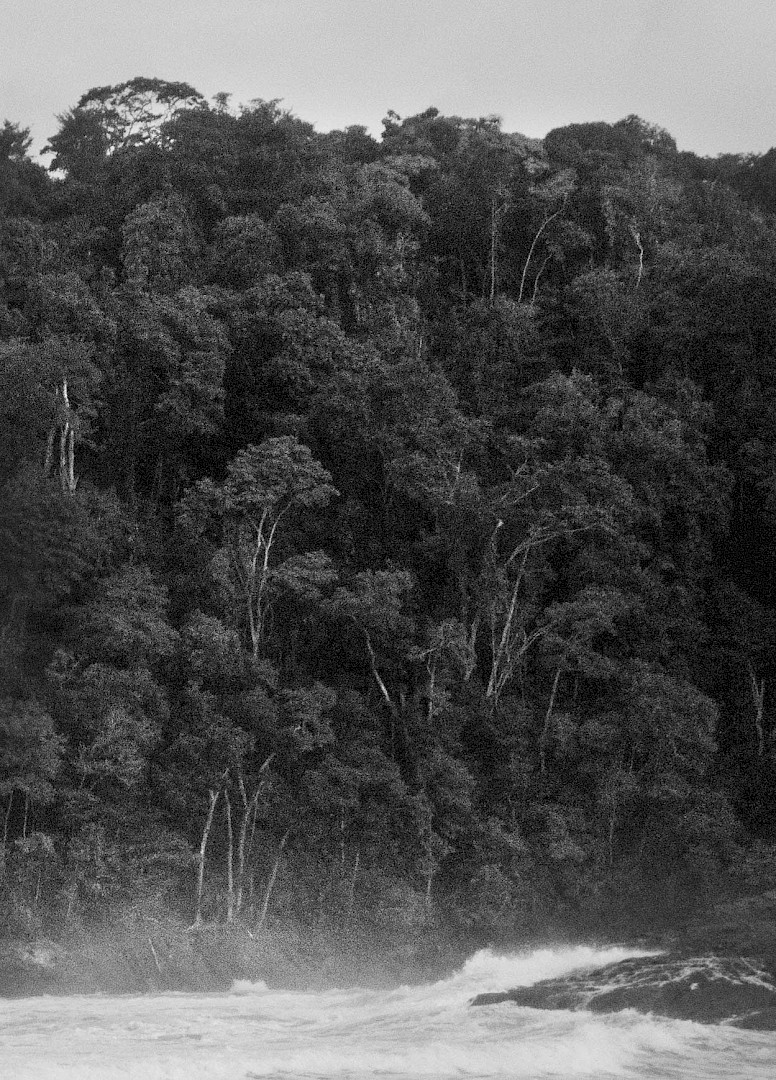
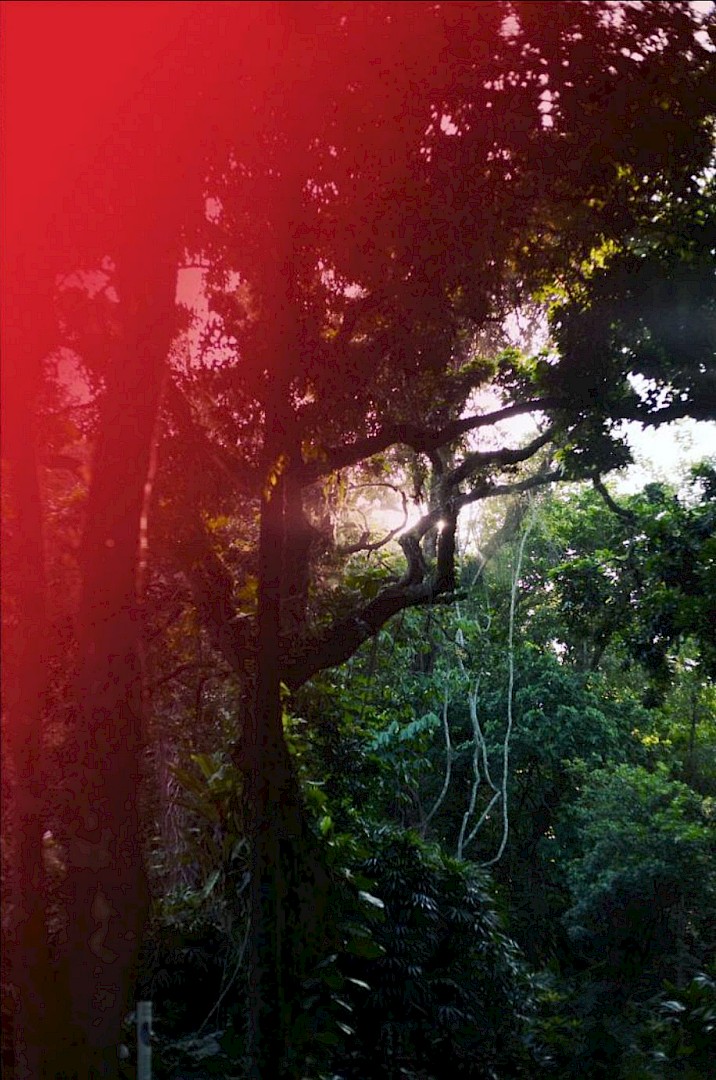
Pendant de nombreuses années, Elsa Leydier a vécu au Brésil, près de la Mata Atlântica — une forêt qui court le long de la côte brésilienne sur plusieurs milliers de kilomètres, indissociable de l'océan Atlantique dans lequel elle se jette.
C’est une forêt qui disparaît à toute allure, et dans l’indifférence la plus totale — comparé à l’émoi que l’Amazonie suscite. Il ne reste aujourd'hui que 8% de la surface de Mata Atlântica qui couvrait le Brésil lors de l’invasion par les Portugais.
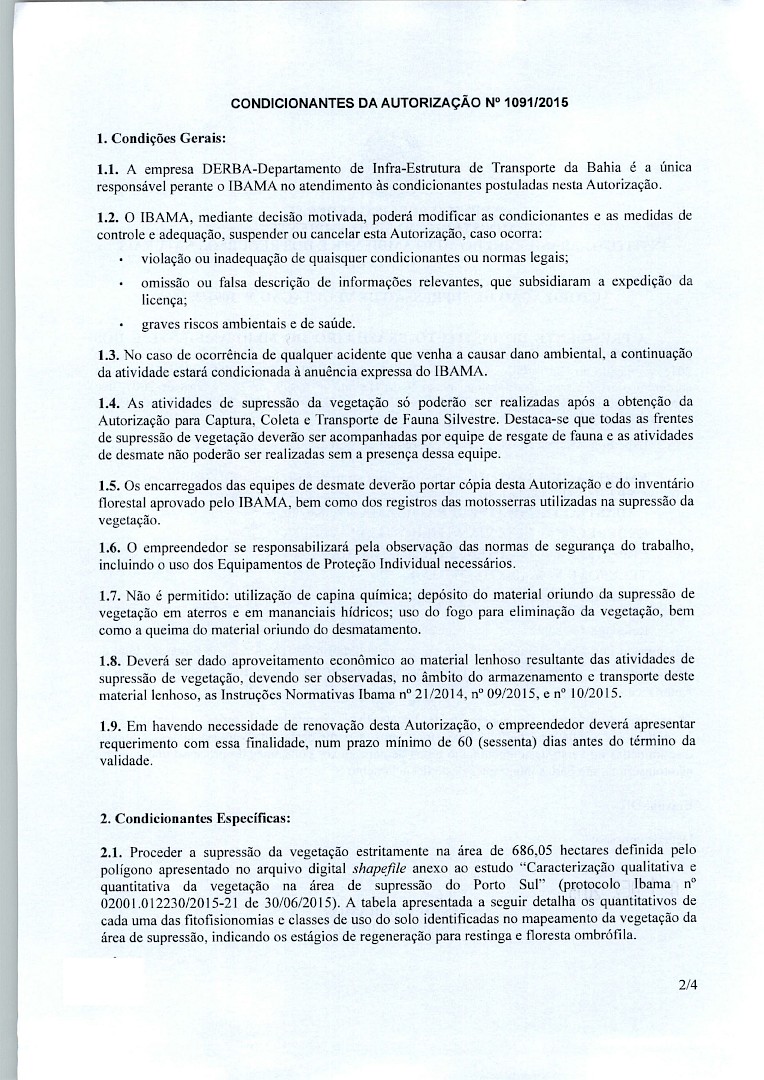
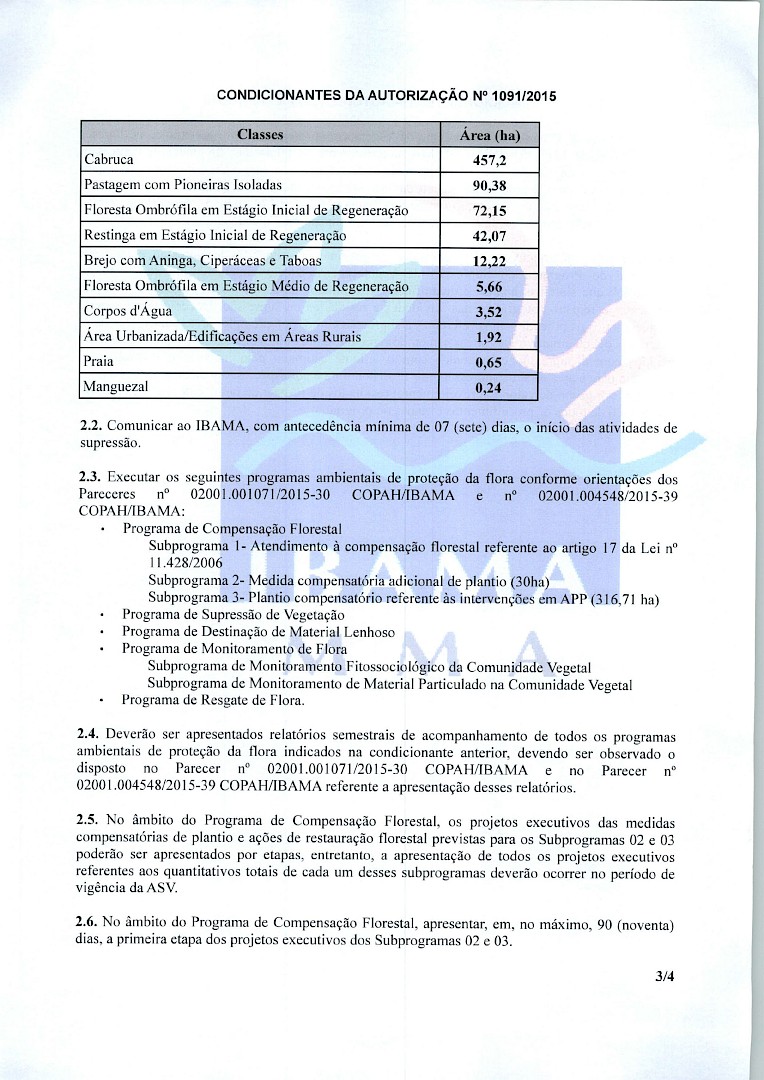
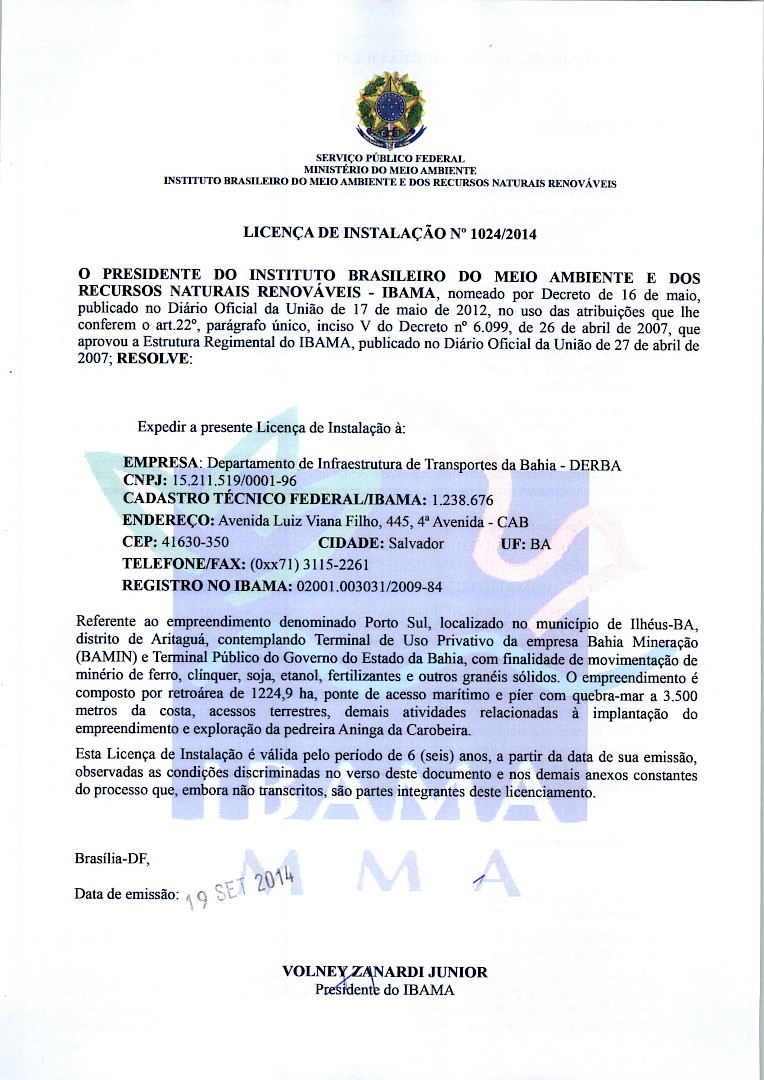
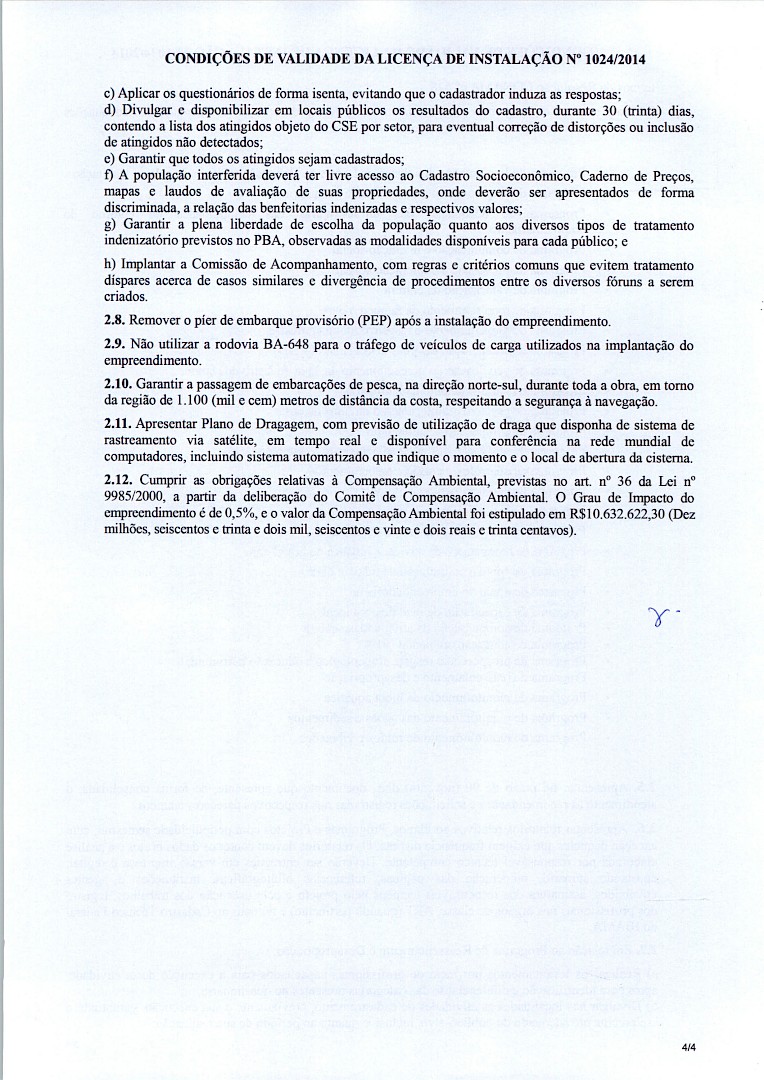
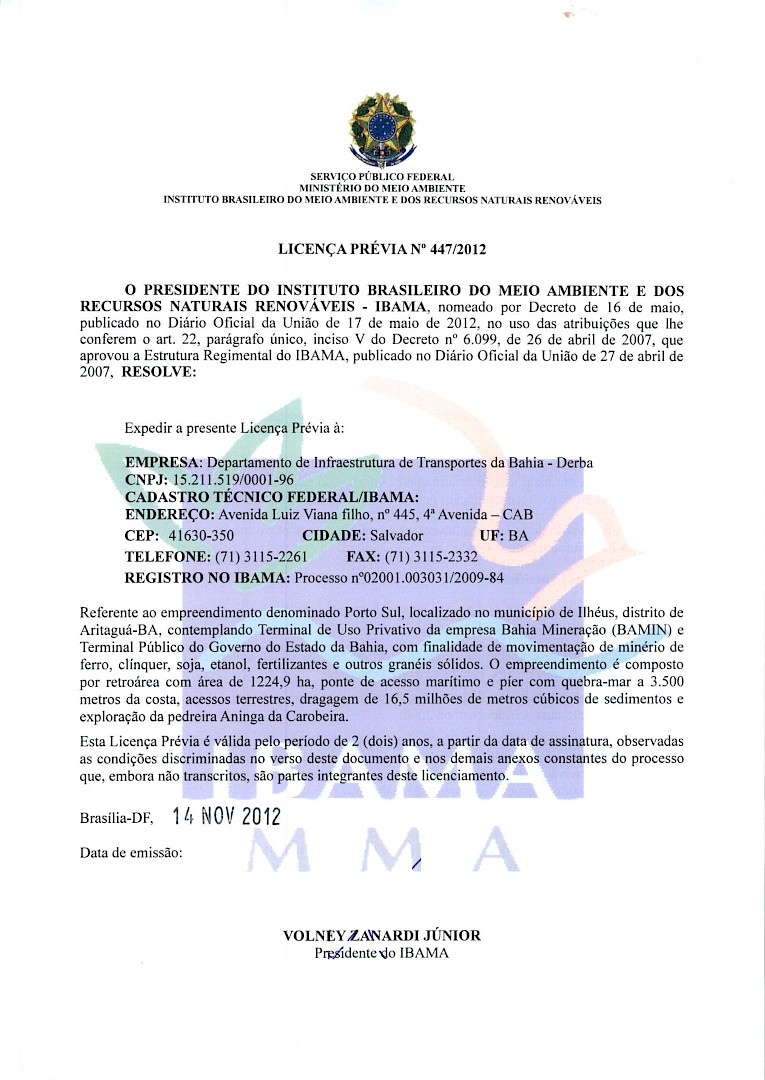
De nombreux projets motivés par le capitalisme justifient sa destruction. L'un d'entre eux a particulièrement touché l'artiste, de par sa proximité avec son lieu de vie : Porto Sul, un projet de construction d'un port industriel dont les travaux sont en cours, détruisant des hectares de forêt et de fonds sous-marins — sur la route migratoire des baleines —, et portant atteinte aux moyens de subsistance de milliers de pêcheurs et pêcheuses, de paysan·nes des Mouvements des Sans-Terre, de communautés quilombolas et d'autres habitant·es de la région.
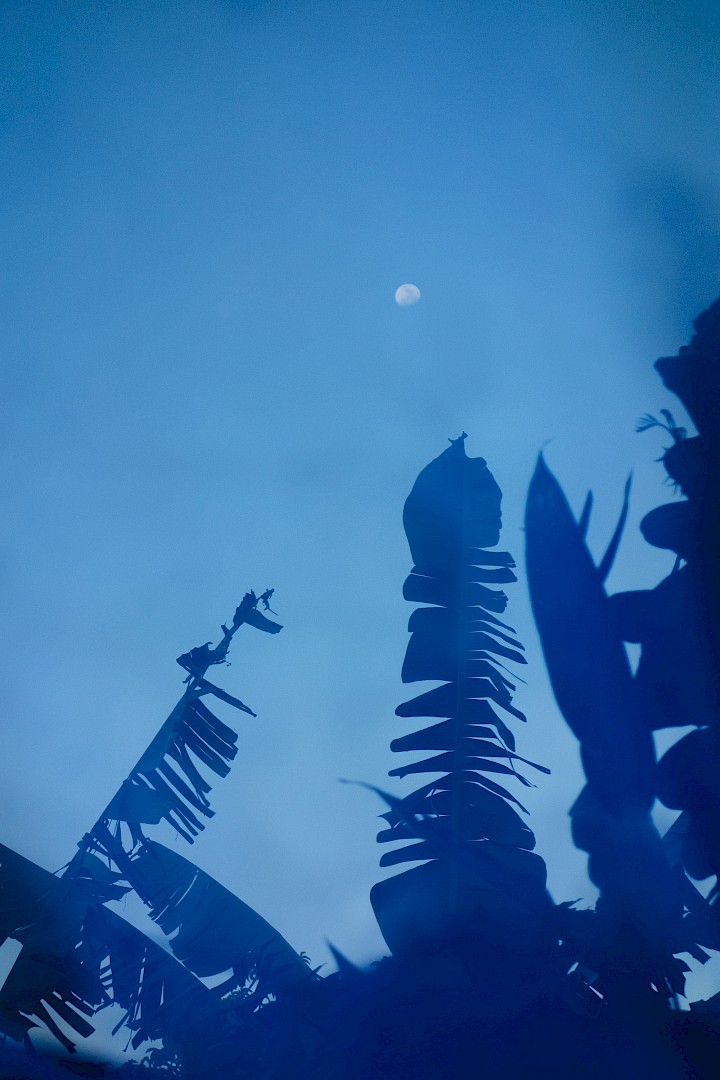
"Luto", en portugais, c’est le deuil. Le deuil que l’on porte pour la forêt, son grouillement de vie et sa biodiversité folle et créatrice qui s’éteignent peu à peu sous le son sourd des projets capitalistes en marche.
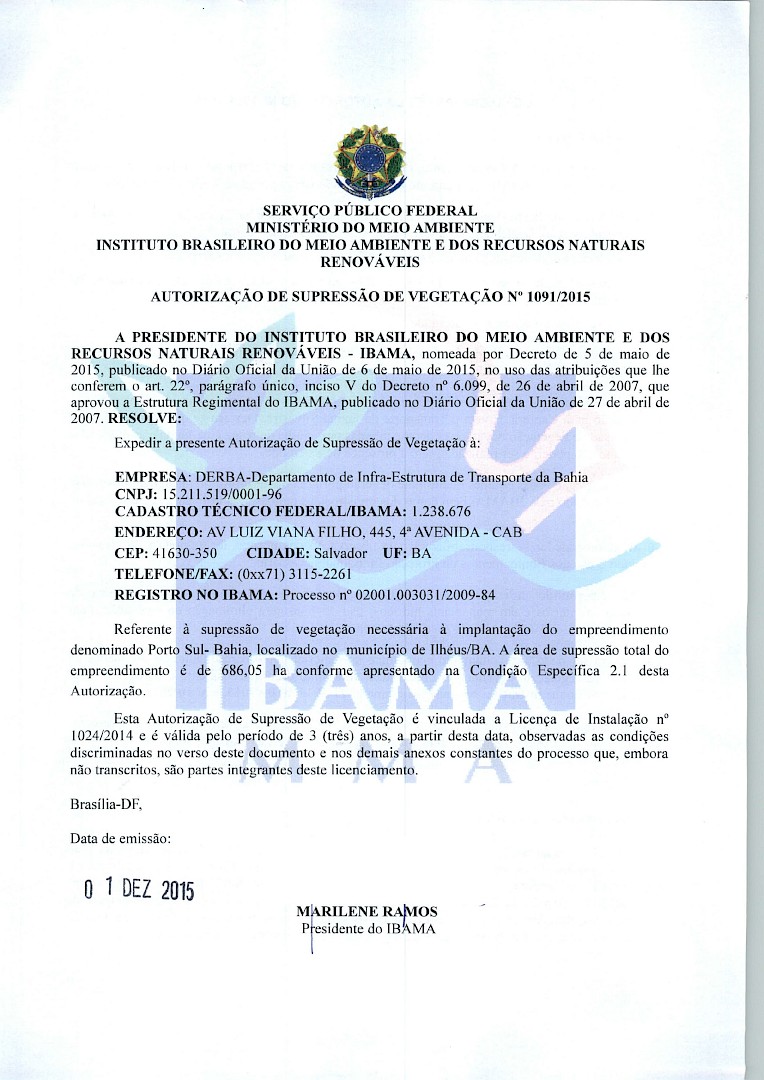
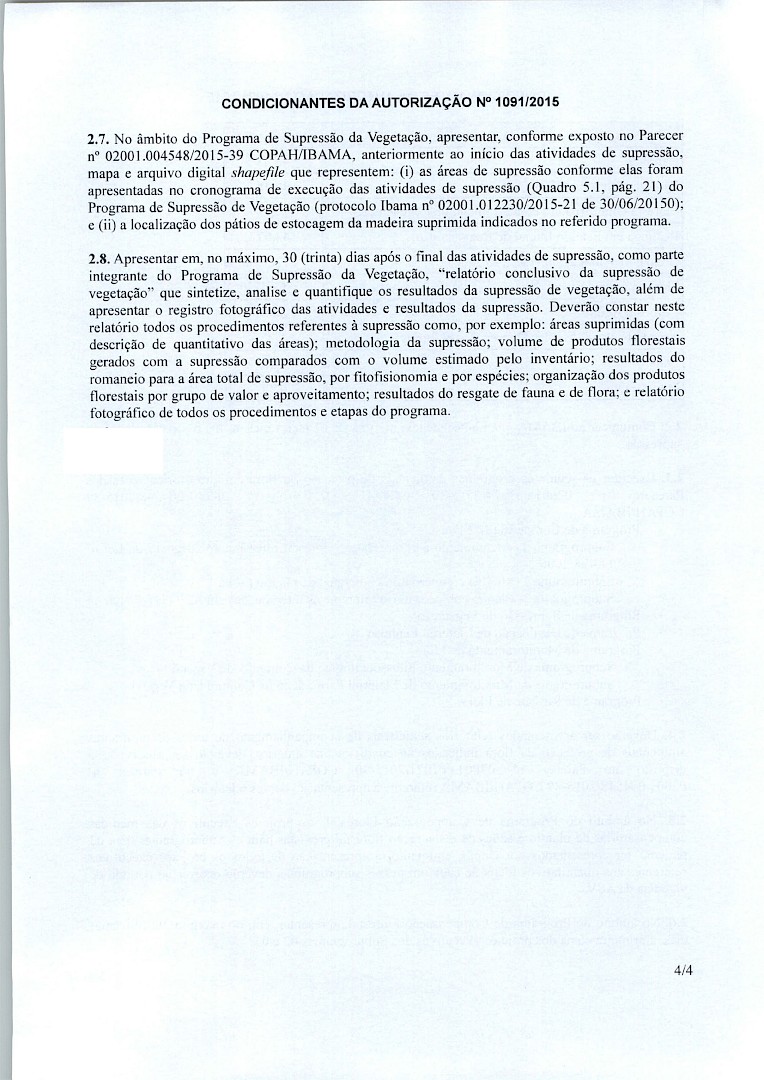
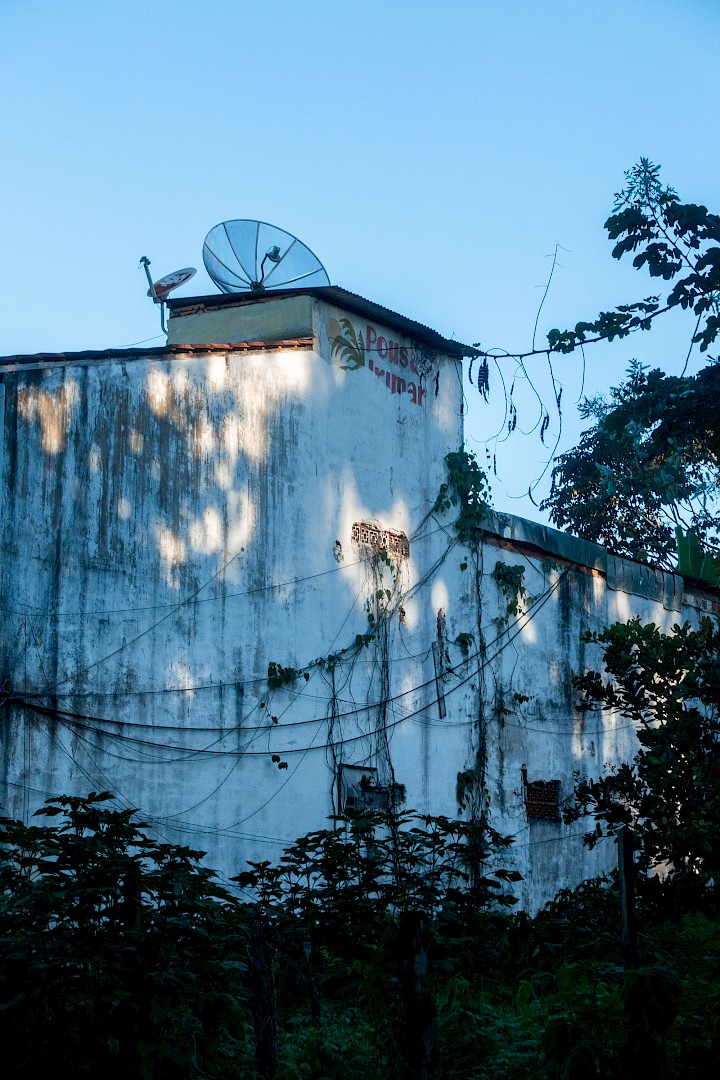
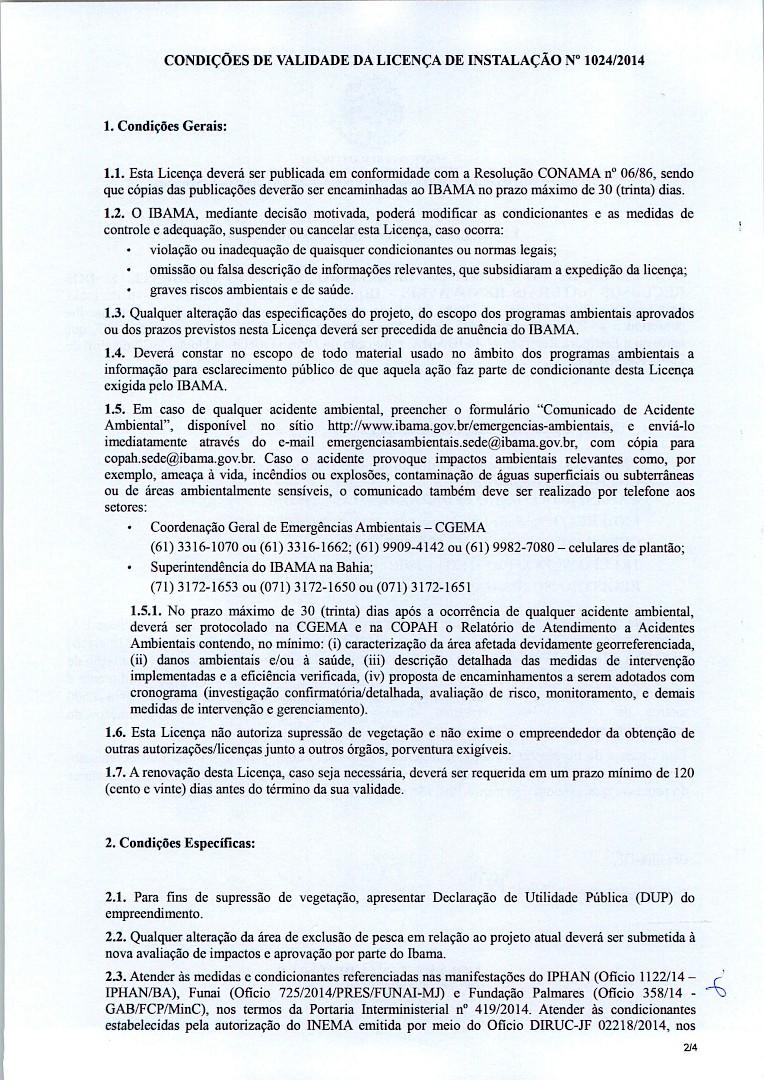
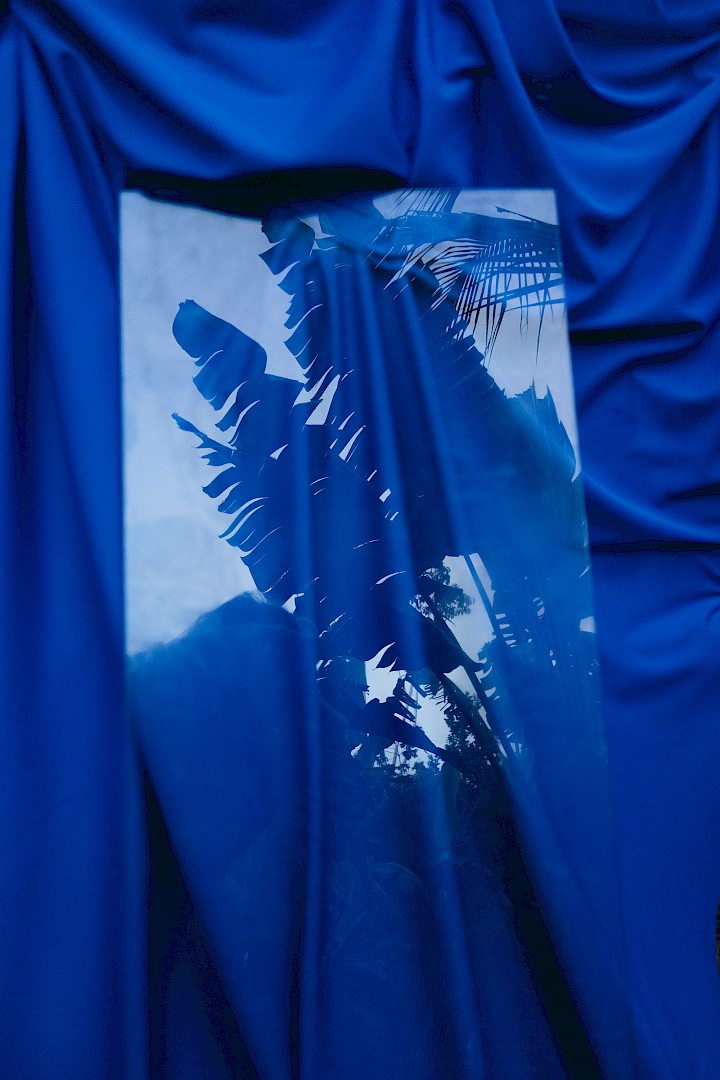
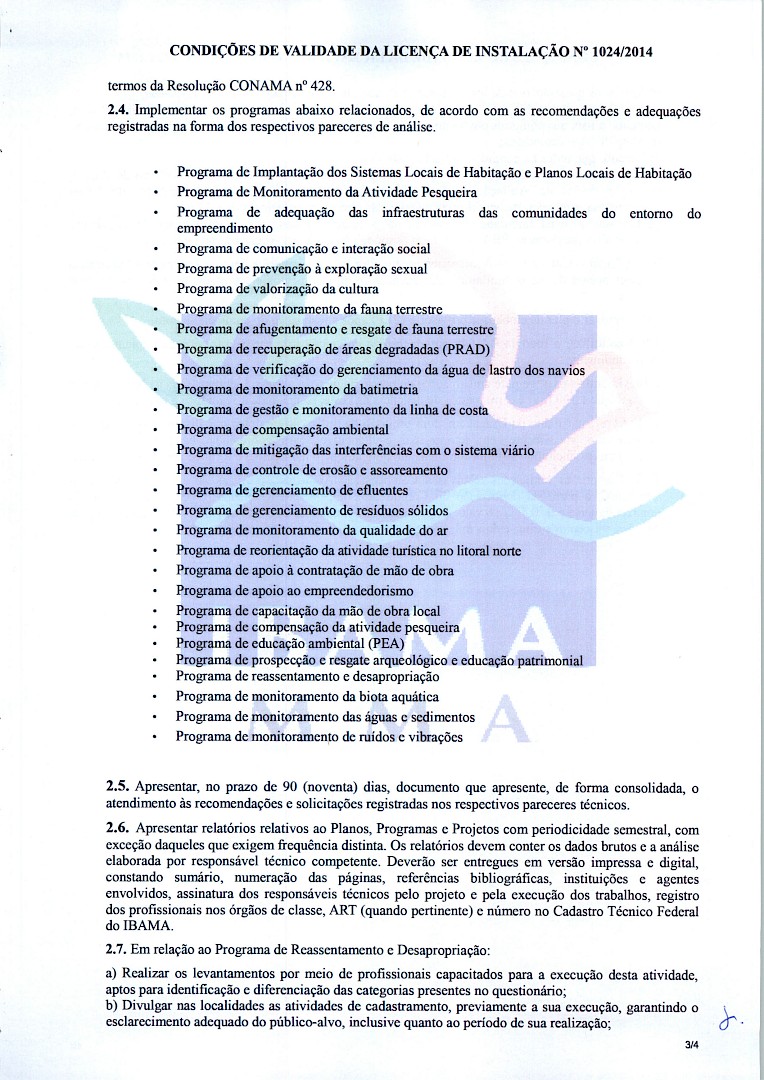
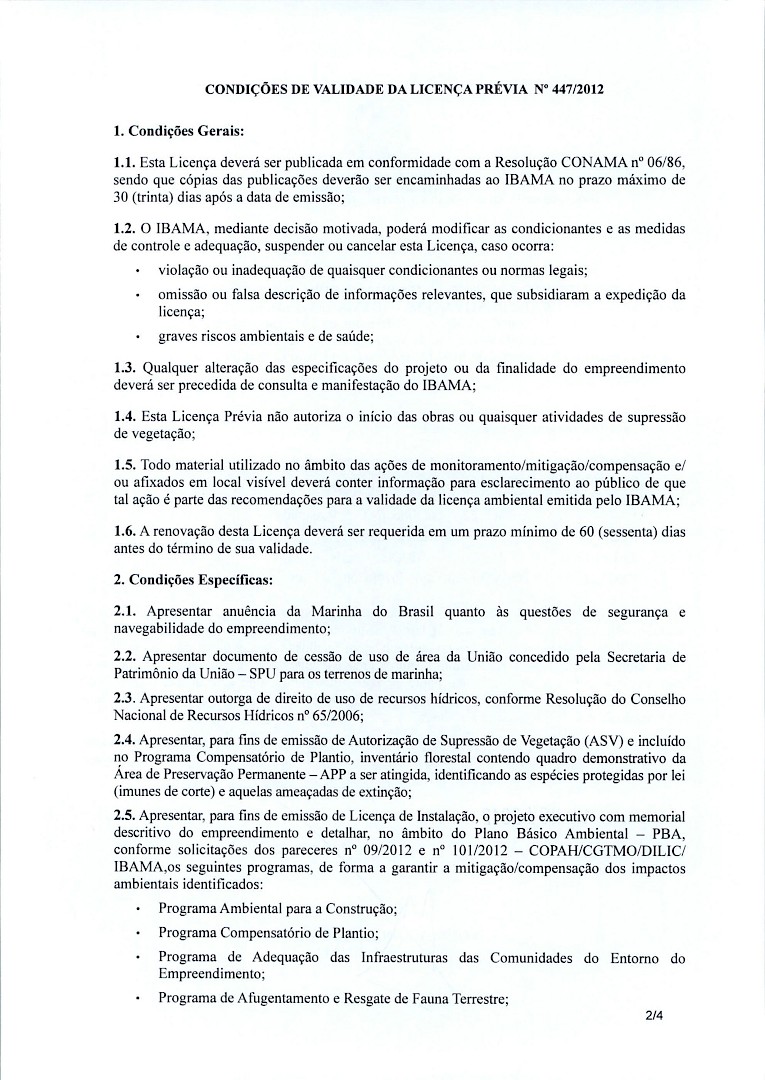
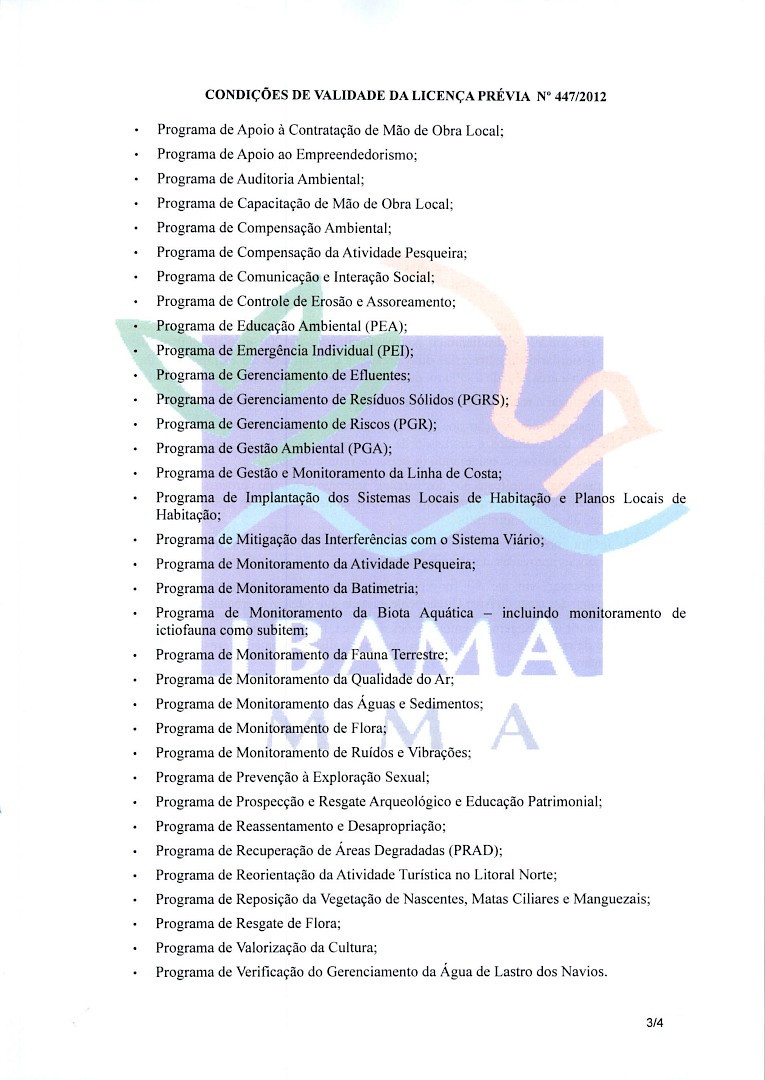
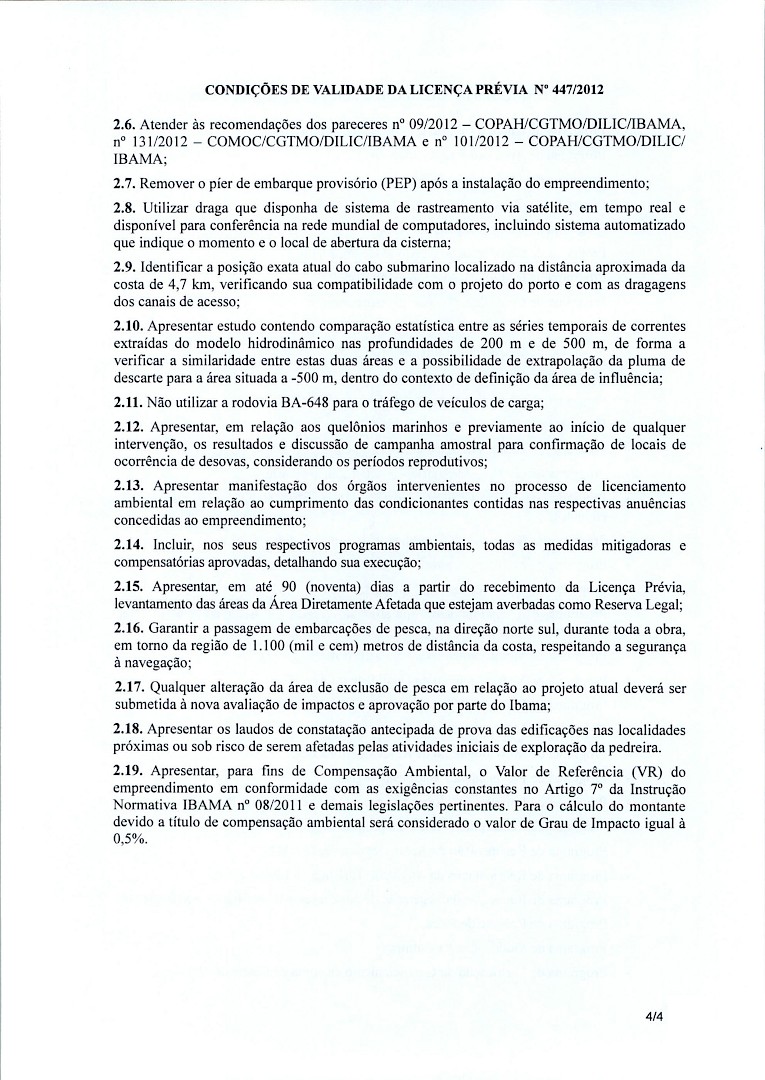
Dans ce travail, des pages d'arrêtés et d'autorisations de déforestation ayant permis le développement du projet Porto Sul sont apposées sur des photographies de la Mata Atlântica et de l'océan. Ces très ordinaires feuilles A4 apparaissent alors comme des anomalies ayant envahi un environnement luxuriant où elles n'ont pas leur place — qu'elles viennent cacher, détruire, effacer.
Comme un écho aux collages de rue féministes nés ces dernières années qui essaiment à travers le monde, des lettres tracées à la peinture noire viennent ici changer "luto" en "luta". "Luta", c'est la lutte. Si une simple feuille A4 peut permettre la destruction d'une forêt et d'écosystèmes entiers, elle peut aussi devenir le support d'autres combats — ceux qui œuvrent pour la justice sociale et climatique, et qui, eux, sauveront des vies et des forêts. Elsa Leydier rappelle ici que de toute blessure peut naître la résistance, et invite à suivre l'élan de celles et ceux qui s'emparent des outils à leur disposition — qu'il s'agisse des outils du Maître, à subvertir, ou des moyens parfois triviaux dont ils et elles disposent déjà. En transmutant le sens du mot qu'il recouvre, le A s'érige en invitation à puiser la force de lutter et de s'élever contre les injustices depuis le cœur même de la blessure. Tout luto porte en lui un potentiel de "luta".
Les images sont imprimées sur un papier écologique à base de chanvre européen. Les cadres sont fabriqués en Chine. À travers ces choix de production, Elsa Leydier a souhaité souligner que, même en agissant avec les meilleures intentions, nous sommes toutes et tous dépendant·es d'un système qui puise ses matières premières en Amérique latine et exploite une main-d'œuvre bon marché en Asie.
LUTO/A appelle, comme le fait l'écoféminisme à remettre en question et déconstruire notre système capitaliste actuel dans sa totalité — plutôt que d'agir sur de petites actions isolées qui ne font que le rafistoler, comme le feraient quelques bouts de scotch sur une structure entière en train de s'effondrer.
impressions jet d'encre, impressions offset, cadres en bois teinté or fabriqués en Chine, collages féministes de rue
Formats divers
Leydier